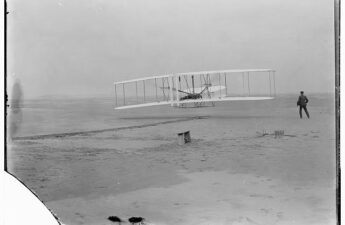
On the morning of December 17, 1903, a man named John T. Daniels crouched behind a camera on a cold, windy beach in North Carolina. He had never taken a photograph in his life. Wilbur Wright handed him a rubber bulb and told him to squeeze it if anything interesting happens. Something interesting happened. Daniels squeezed. And the resulting image,…
Lift and Basic Aerodynamics
Before understanding how an airplane is controlled, it is important to first understand the four forces that affect an airplane in flight. These are thrust, drag, lift, and weight. After understanding these basics of aerodynamics we can move on to understanding the airplane itself. If you need a refresher on some definitions, check out Basic Aerodynamic Terms and Definitions. The…
VFR Refresher 001: Minimum Safe Altitudes
How high do we need to fly? The regulations give us some minimum safe altitudes. Obviously, if we’re taking off or landing these don’t apply. And just to be clear, we’re talking about airplanes, not helicopters or other aircraft. We always need to fly at an altitude that allows a forced landing without undue hazard to people or property on…
Airspace Review
An acquaintance started his private pilot training and, much like me, his curiosity led to questions about things he hasn’t studied yet and doesn’t need to know yet. He asked me to put together a quick explanation of airspace and how VFR sectional charts depict it. This post is far from exhaustive, but it is a good start if you…